Retail and Postal Claims Fraud Detection
Humanly provides retailers and parcel delivery providers with a technical analysis layer to identify AI-generated or manipulated evidence in claims for damaged, broken, or missing goods. By analysing customer-submitted images for authenticity signals, the platform helps organisations protect their margins while maintaining fast resolution times for legitimate customers.
Managing Scale and Risk in High Volume Retail Claims
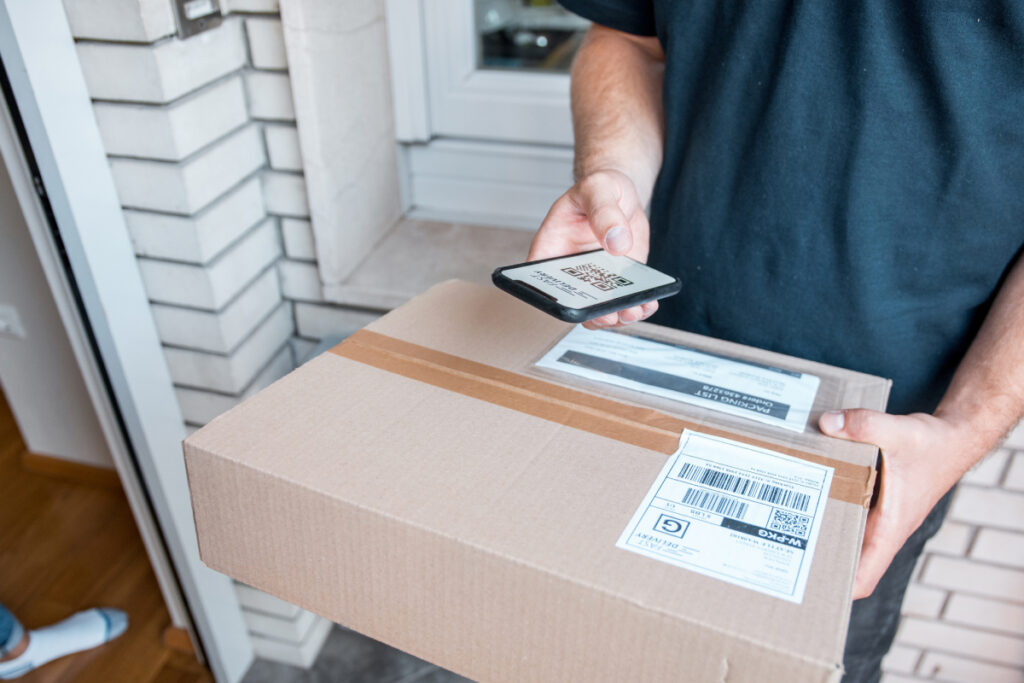
Retail is one of the sectors most exposed to AI-generated imagery. In high-volume environments, investigating individual low-value claims often costs more than the payout itself. This creates an incentive for fraudulent or exaggerated claims to slip through, particularly when evidence consists solely of customer-submitted photos. Organisations process millions of claims annually for items such as cracked televisions, broken ceramics, or damaged electronics.
As image editing tools become more accessible, the risk profile of these claims is changing. Convincing images of cracked screens or broken items can now be created or altered without the damage ever occurring. Genuine product images are sometimes reused or edited to simulate breakage, or synthetic images are generated to mimic typical transit damage. Humanly helps retailers and carriers address this shift by identifying higher-risk submissions that warrant further review.
Protecting Margins and Customer Experience
Humanly acts as an additional decision support tool that complements existing claims processes. It allows customer service teams to maintain fast resolution for legitimate claims while applying scrutiny only where signals suggest increased risk. This proportional approach helps organisations balance customer satisfaction with fraud prevention.
Damage Claim Authenticity Verification
Humanly helps identify manipulated documents and images used to inappropriately obtain prescription drugs. This reduces patient safety risks associated with unauthorized medication access.
Postal and Courier Compensation Assurance
The platform supports insurers in assessing the authenticity of digital evidence submitted for consultations, treatments, and procedures. This helps reduce the volume of fraudulent or disputed healthcare claims.
Repeat Claimant and Abuse Deterrence
The service helps identify patterns where manipulated evidence is repeatedly submitted. This discourages the misuse of refund and replacement policies by opportunistic claimants.
Operational Benefits for Retailers and Carriers

High Volume Claim Protection
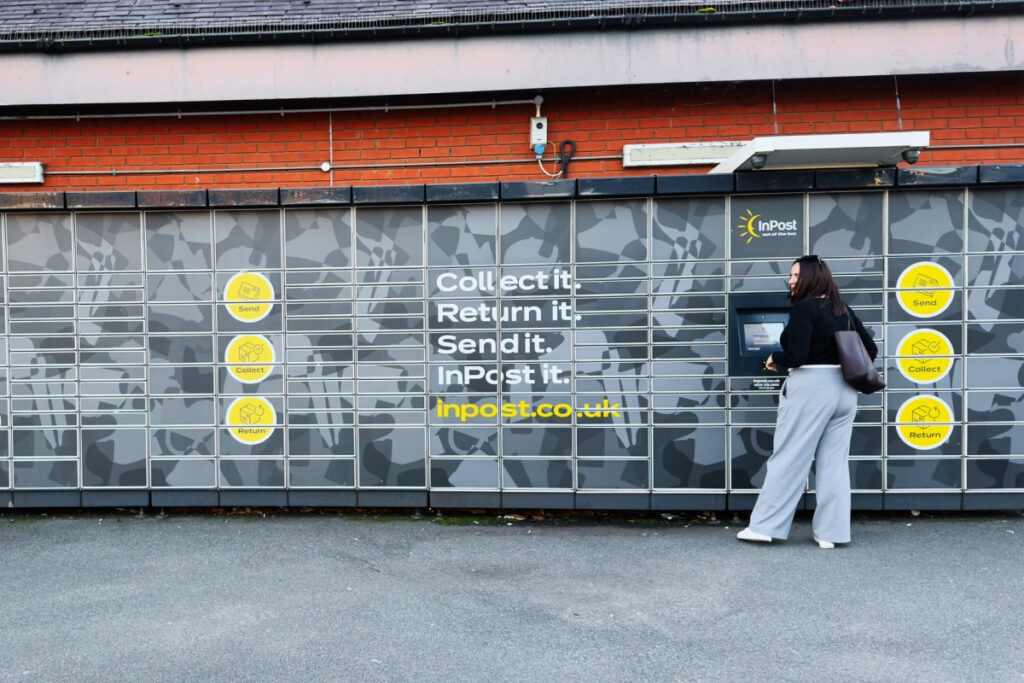
Humanly helps retailers and carriers check 100% of small claims by identifying higher-risk submissions without slowing down legitimate refunds. This ensures that brand reputation is protected through fast service.

Margin and Cost Leakage Reduction
The platform reduces cumulative financial loss from small fraudulent claims. These individual losses are often written off but become significant when aggregated at scale.
Preservation of Customer Trust
By improving confidence in digital evidence, organisations can reduce avoidable payouts. This protects honest customers from the downstream effects of rising costs and stricter claims policies.
Common Questions
How does Humanly identify synthetic document manipulation?
The platform analyses digital artifacts for structural and pixel-level indicators of AI generation that are often invisible to human reviewers. This includes evaluating technical signals within passports, utility bills, and bank statements to determine if the evidence is authentic or fabricated.
Does this replace my current Identity Verification (IDV) provider?
No. Humanly is designed to integrate into a layered fraud strategy alongside existing IDV and risk partners. It provides a specialized focus on document authenticity, helping to answer whether the digital evidence itself appears to be genuine.
What types of identity evidence can be analysed?
The service evaluates a wide variety of documents, including passports, driving licenses, payslips, and bank statements. It is also designed to analyse supporting evidence used to establish eligibility or affordability.
Why is authenticity verification now a strategic requirement?
As digital-first journeys become the default, the ability to reliably verify evidence is critical for reducing avoidable losses and maintaining regulatory trust. Organizations that can distinguish between authentic and synthetic evidence early in the journey are better positioned to prevent chargebacks, defaults, and policy abuse.
How does Humanly identify synthetic identity across multiple applications?
Synthetic identity is often difficult to detect because elements of the fabricated persona appear consistent across various data checks. Humanly addresses this by analysing the physical evidence—such as images and document scans—for technical indicators of AI generation or manipulation. By identifying these non-authentic markers at the document level, organizations can disrupt coordinated fraud rings that attempt to use consistent, but synthetic, identities across multiple services.
Can Humanly detect "deepfakes" and realistic synthetic media?
Yes. The platform is specifically designed to analyse images and digital documents for signs of AI-amplified manipulation. As deepfake technology becomes more accessible for impersonation and document falsification, Humanly provides an analytical layer that goes beyond manual review to identify the subtle technical inconsistencies inherent in synthetic media.